
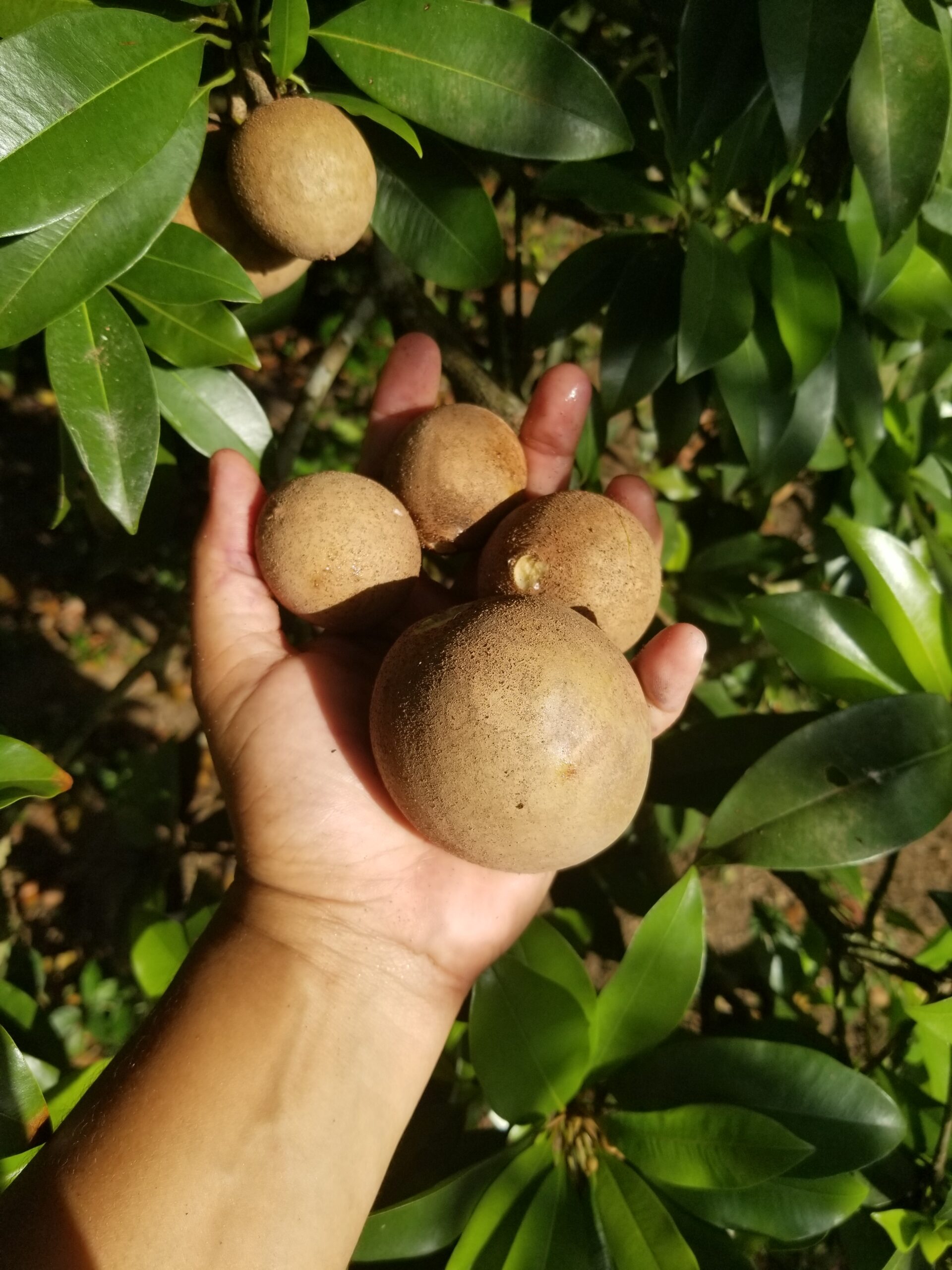
There’s something special about enjoying Jamaican seasonal fruits fresh from your yard, the friendly neighborhood fruits man or local market. No shipping containers or preservatives – just pure, sun-ripened goodness straight from the tree. As a beekeeper and lover of the land, I mark time by what’s in season. Right now, Jamaica is bursting with Otaheite apples, naseberries, tamarind, and mulberries – each rich in nutrients, flavor, and local heritage.

Why Eating Jamaican Seasonal Fruits Is Better for You and the Earth
Eating seasonal fruits that are in season isn’t just a nostalgic nod to tradition – it’s better for your health, wallet and the planet. It’s how our ancestors stayed nourished and in sync with the land. Today, choosing Jamaican seasonal fruits supports local farmers, lowers your carbon footprint, and offers your body exactly what it needs for the time of year.
When you bite into a crisp Otaheite apple or savor the honeyed sweetness of a ripe naseberry, you’re doing more than tasting the fruit. You’re experiencing Jamaica’s rhythm and its seasonal abundance.
Benefits Of Eating Jamaican Seasonal Fruits:
Higher Nutritional Value:
A 2015 study published in the International Journal of Food Sciences and Nutrition found that fruits harvested in season have significantly higher levels of vitamins, minerals, and antioxidants compared to out of season produce, which is often picked early and stored for long periods. Fruits that are allowed to fully ripen on trees or vines accumulate more nutrients and phytochemicals.
Better Taste and Freshness:
According to the USDA and various agricultural extensions reports, seasonal fruits tend to have superior taste, texture, and aroma because they are picked at their peak ripeness. Studies confirm that organoleptic qualities (taste, smell, texture) are markedly better in fruits consumed in season.
That’s why mango in July tastes like the sun itself – and the same one in December just doesn’t hit the same.
Lower In Cost:
Seasonal fruits are often cheaper because of their abundance locally. They’re often cheaper due to lower production and transportation cost. The abundance of local seasonal fruits reduce the the reliance on imports and cold storage.
Environmentally Friendly:
Imported off-season fruits often travel thousands of miles and require cold-chain logistics. Eating Jamaican seasonal fruits means less energy, less fuel, less packaging and a happier planet.
Supports Immune System:
Our seasonal fruits often align with the body’s needs in that season. For example, citrus fruits (high in vitamin C) are in season during cold and flu season in many countries. A review in Nutrients (2020) explains how fruits like citrus, guava, and mangoes – often in season during flu months – naturally boost the immune system. Nature’s pharmacy is always open – if we follow her calendar.
Supports Local Farmers and Economies
Eating Jamaican seasonal fruits reduces the dependency on industrial agriculture and it encourages diversified local farming and increases farmer income. Every bite is a vote for a more resilient, community-centered food system.
Jamaican Otaheite Apple : Hydrating, Healing, and Full of Heritage

Also called Jamaican apple, Malay apple or Syzygium malaccense. The Otaheite apple tree stands tall and generous, especially when the rains have been kind. When it’s not bearing on my side, I know I can head over to my family’s property- or even trade with a neighbor. We have an unspoken bartering system, and it works. Fruits for herbs, Mangoes for callaloo. Otaheite for June Plums. It’s community in it’s purest form.
Health & Nutritional Benefits:
- High in vitamin C & antioxidants – boosts immunity and fights inflammation.
- Low in calories, hydrating, and high in fiber – supports gut health.
- Contains anthocyanins – natural compounds that support heart health and may reduce blood pressure.
This bright red fruit is a nostalgic favorite and a seasonal superstar. With its cool, crisp texture and high water content, the Otaheite apple is a perfect choice for hot Jamaican days. Rich in vitamin C and low in sugar, it supports hydration and immunity naturally.
Jamaican Naseberry: Seasonal Sweetness


Locally known as naseberry, internationally as sapodilla or Manikara zapota.
The other day I was foraging naseberries from my father-in-law’s tree – one that has been there so long it feels like a family elder. The branches were heavy with, the fruits ripe and fragrant. The sun was low, and there was a quiet peace in the backyard – except for Bruno, their oversized rottweiler pup, who joined me in the foraging. He waddled over with one already in his mouth, eyes gleaming – he’s developed a fondness for sweet ones that fall to the ground. I caught a photo of him with a naseberry in his mouth, looking like he knew he’d found gold. It made me laugh out loud – joy really does grow on trees. A sweet reminder that the love of fruits runs deep, even with our four-legged family.
Foraging like this – sometimes in our own backyard, sometimes on family land – reminds me how rich we are. What we don’t have, someone else does. We barter and trade, share and swap. That’s the rhythm of country life. And the land always provides if you treat it well.
Health & Nutritional Benefits:
- Packed with natural sugars and fiber – great for digestion and sustained energy.
- High in vitamin C, potassium, copper, and iron.
- Contains tannins, which have anti-inflammatory and anti-oxidant properties.
- Traditionally believed to sooth the stomach.
You can have it chilled from the fridge or eat it ripe and soft, straight from the skin – natural dessert. Naseberry is great blended into smoothies or milkshakes (try with almond milk, a pinch of cinnamon, and ice). It can even be used to naturally sweeten baby food.
Jamaican Tamarind: Tangy, Tasty, and Traditionally Medicinal
Botanical name: Tamarindus indica
Tamarind offers a bold contrast to the sweet fruits of the season. Whenever I see tamarind, I’m instantly transported to school days. I remember sticky fingers and a plastic bag, used to smush and pipe, spicy-sour tamarind balls into our mouths. It’s a flavor memory deeply etched into the Jamaican palette – bold and full of life.

At our usual foraging spot, there’s a tamarind tree that stands out from the rest. Unlike, the typical tamarind’s sharp tang, this one offers a mellow, sweet flavor that’s both surprising and delightful. I was told it’s a special strain, and indeed, it aligns with what’s known as the Sweet Tamarind variety.
This variety is characterized by it’s larger pods and a pulp that’s more sweet than sour, making it a favorite for those who prefer a gentler tamarind taste. It’s a reminder of how diverse and rich our local flora can be.
Nutritional & Health Benefits:
- Rich in Antioxidants: Helps combat oxidative stress in the body.
- High in Vitamins and Minerals: Provides essential nutrients like vitamin C, potassium, and magnesium.
- Digestive Aid: Traditionally used to support digestion and relieve constipation.
Read more on the health benefits of tamarind.
Culinary Uses and Cultural Significance:
Tamarind is woven into Jamaican foodways – it’s something that shows up not just in the kitchens but in memories. From spicy-sweet tamarind balls sold by school vendors to the tangy tamarind drink served at Sunday dinners, this fruit holds it’s own.
To this day, when it’s tamarind season, my grandmother – who is now 85 – still makes a jar of tamarind balls for my mother and me. She’s been doing this for as long as I can remember. It’s one of those traditions that taste like love and longevity, the kind of sweetness only time and care can make.
That’s what I think of when I crack open a pod – not just the taste, but the lineage, the labor and the legacy.
Tamarind is perfect for:
- Tamarind balls (especially for children or those sensitive to sourness).
- Refeshing drinks
- Natural flavoring for sauces, marinades, and chutneys.
It’s a natural powerhouse that combines flavor with heath benefits, making it a valuable addition to any diet.
Mulberries in Season: Tiny Jamaican Gems Bursting with Nutrients

It’s mulberry season, and every afternoon after school, my 3 year-old and I make our way to our favorite mulberry tree. By the time we leave, his hands are stained purple, his mouth too, smiling sweet and sticky. This has become a ritual. A slow moment in nature that nourishes his body and mine. I’m so grateful for that tree – not just for the fruit, but for what it teaches us: to slow down, to taste the season, to share joy with our children.
How to Enjoy Mulberry:
- Eaten fresh off the tree – sweet, slightly tart, and addictive.
- Used in homemade jams, syrups, and juices.
- Dried and added to herbal teas or homemade granola.
- Sometimes blended into tonics with ginger and honey.
- Can be used in natural dyeing because of the intense purple pigment.
- I love tossing them into yogurt or eating them right off the tree as I stroll through the yard.
In Jamaica households, mulberries aren’t as common as naseberry or mangoes, but those of us who have the tree? We know what a blessing it is.
Nutritional & Health Benefits:
- High in Vitamin C and Vitamin K, which support immune and bone health.
- Loaded with resveratrol, a powerful antioxidant known for heart protection.
- Rich in iron and folate, supporting blood health and energy.
- Contains anthocyanins, which have been linked to improve brain function.
- Support healthy blood sugar regulation and liver detoxification.
Mulberry is a quiet superfood. No big marketing behind it. No label screaming “health foo”. Just a tree, quietly offering its fruit to whoever will notice.
Read more about the health benefits of mulberries.
Eat Local Jamaica: A Sweet Way to Support Community and Wellness
Eating Jamaican seasonal fruits is a conscious choice. It reduces your environmental impact, supports small farmers, and fills your plate with nutrients nature intended. As a beekeeper, I see the harmony – between trees, bees, farmers, and families. Each fruit I’ve foraged is a reminder that we are part of a larger, natural rhythm. One where nothing is rushed, and everything has it’s season.
Eating Jamaican seasonal fruits reconnects us to the land, to family, and to a way of living that values patience, gratitude, and community. It’s the way my grandmother still rolls tamarind balls by hand, and the way neighbors share June plum from over the fence. This is nourishment beyond nutrition. This is how we root ourselves in the soil that sustains us.
So next time you reach for fruit, make it a seasonal pick. Your body, your budget, and the Earth will thank you. What’s in abundance now is what your body, your spirit, and this island need most.
Do you have a favorite fruit memory, recipe, or foraging story?
Share it with me – I’d love to hear how you connect to the land through food. Whether it’s in your backyard, your grandma’s kitchen, or a roadside fruit stall – these are the stories that feed us.